Event
Oct. 27th 12pm ET
How to make the case for trade compliance resources
By Tru Identity
Most leadership teams don't understand trade compliance, or what the business gets when it is done right. Ashley Arnold and Hugo Pakula spent an hour discussing that gap in the “How to Talk Trade Compliance Like a Leader in the Boardroom” webinar hosted on July 29th, 2026. Here are the 4 themes that came out of the conversation.
To watch this webinar on demand, click here.
#1 This is mainly a translation problem
When talking to leadership about trade compliance, one common mistake is explaining the problem in trade compliance terms, and not translating concepts to the person you are speaking with. If it’s leadership, they are curious on how trade compliance contributes to the bottom line.
"Be the translator. It's gone past just knowing trade compliance, but being able to translate that to executives and what that means." - Ashley Arnold
Ashley gave a specific example she’s seen before: An executive sent her a Wall Street Journal article about trade efficiency and asked how the company could use it. She skipped the mechanics and gave back two things the business cared about: better efficiency and stronger auditing. Because she explained it in terms they cared about, she got the attention and resources she needed.
What you can do now: When you go to leadership to ask for money, start with what that money produces. Put it in dollars, or in terms of the risk you are taking off the table. Everything technical is backup if asked for more detail.
#2 Half of trade teams have leadership's attention, but not its budget
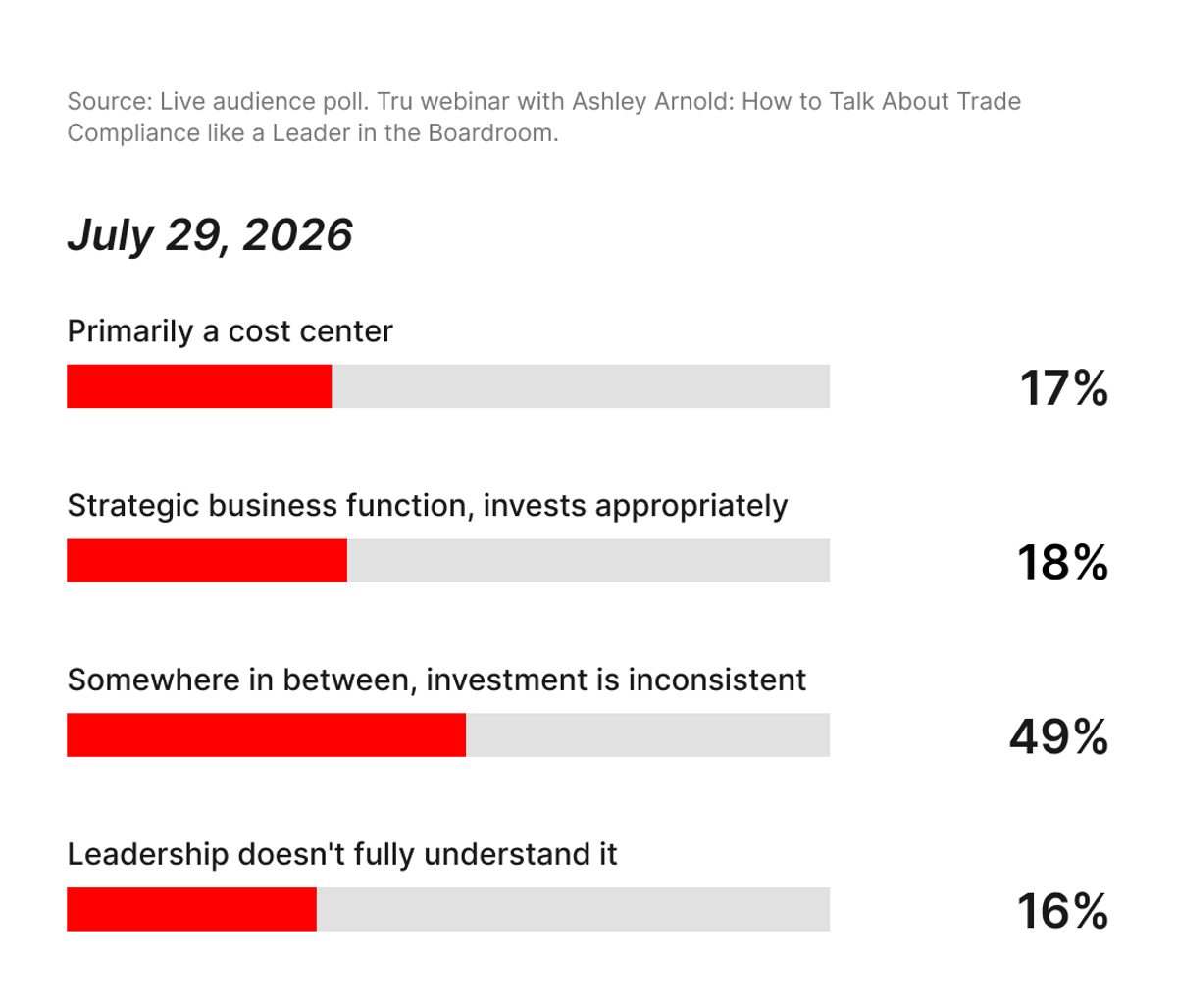
Attendees of the webinar told us how their leadership views trade compliance: 82% said compliance is not treated as a strategic part of the business. The biggest group by far, 49%, picked leadership that knows compliance matters but doesn’t dedicated the necessary recourses. Another 17% said their leadership sees compliance as a cost center, and 16% said leadership does not really understand the function. Only 18% said their leadership treats compliance as strategic and pays for it.
Ashley was not surprised. Companies now accept that compliance matters, but teams still fight to get the budget.
#3 The importance of getting classifications right
Arguably the easiest concept in how trade compliance contributes to the business is through profit margin. Duties are a part of COGS (cost of goods sold). So anything that can be done to make sure they are being paid properly helps the business, mainly by doing these two things:
- Prevents the business from overpaying on duties, or paying duties (and especially tariffs) that they don’t have to
- Prevents business incurring meaningful costs for penalties and audits
As Ashley commented:
"Classification is everything. Make sure they're ironed out. I cannot tell you how many times I have seen product libraries where the same product is classified different ways, and there's no justification listed."
One immediate next step Ashley and Hugo recommended is asking leadership to re-invest the money you got back from IEEPA refunds into resources for trade compliance.
The best practice is that asking for 10 to 30% of recovered duties is a fair request - the complexity is only increasing, the demands are higher than ever, and the workload is likely completely at its capacity.
#4 Ask for one thing, then show what it produced
Hugo and Ashley emphasized that you can’t go to leadership with several requests at once. You need to start with just one ask, and that ask should be the thing that creates the most tangible results for the business. You have to clearly outline what the request costs, what they can expect in return, and the timeframe for those returns.
“You can do the work and do it diligently and competently, but if leadership doesn’t see the effects, it's almost as if you didn't do the job.” - Hugo Pakula
What you can do now: Pick the request that matters most to your leadership rather than the one that matters most to your team. Deliver it, then report the result using the same terms you used to ask.
To better prepare for you next conversation with leadership, check out The Trade Compliance Boardroom Kit
More from the blog
Oct 27, 2026
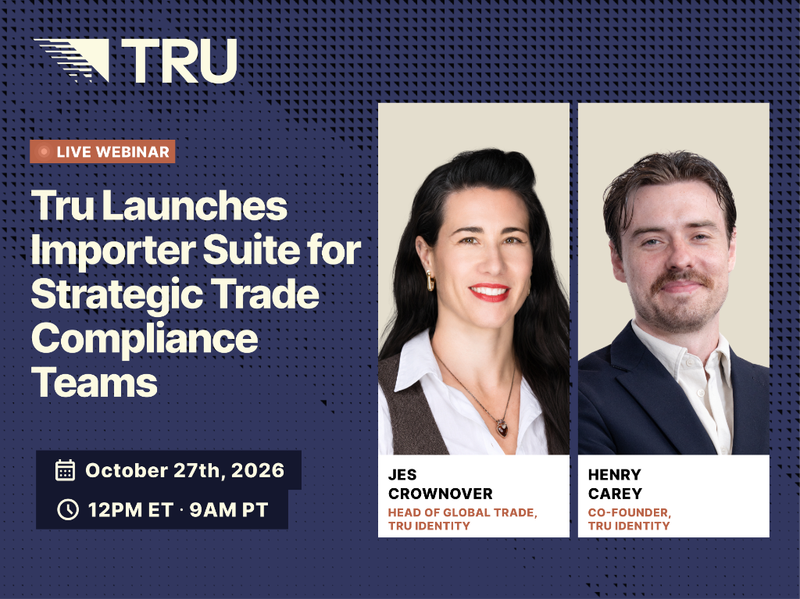
Solution Webinar: Tru Launches Importer Suite for Strategic Trade Compliance Teams
CBP enforcement is changing the cost of bad product data. See how Tru gives importers the control, visibility, and audit readiness to stay ahead.
Oct 6, 2026
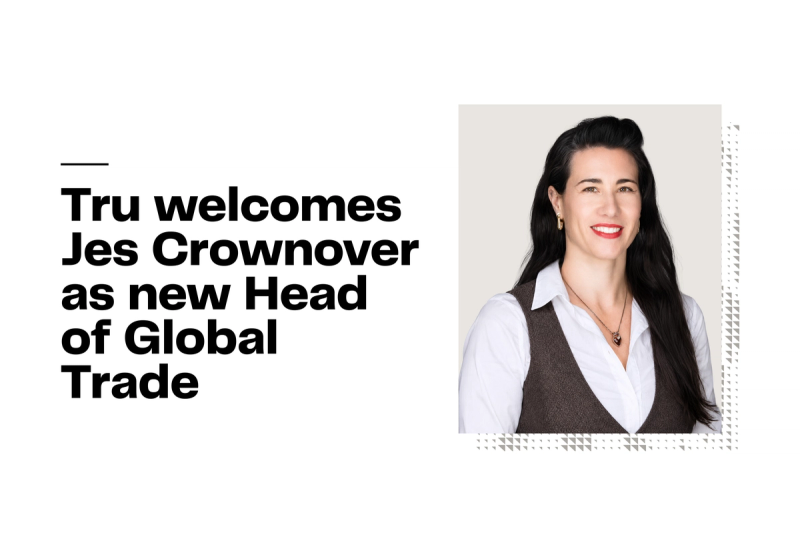
Press Release: Jes Crownover Joins Tru as Head of Global Trade
Former FedEx and Livingston executive joins Tru to build the trade infrastructure for the future of imports.


©2026 Tru Identity, Inc. All rights reserved.